

I hate giving up on books. I really do. But when you’ve read 146 pages of a thing and dread going back to it because you’ve lost all interest and don’t care a snippet about the characters, you’ve simply gotta do what you gotta do.
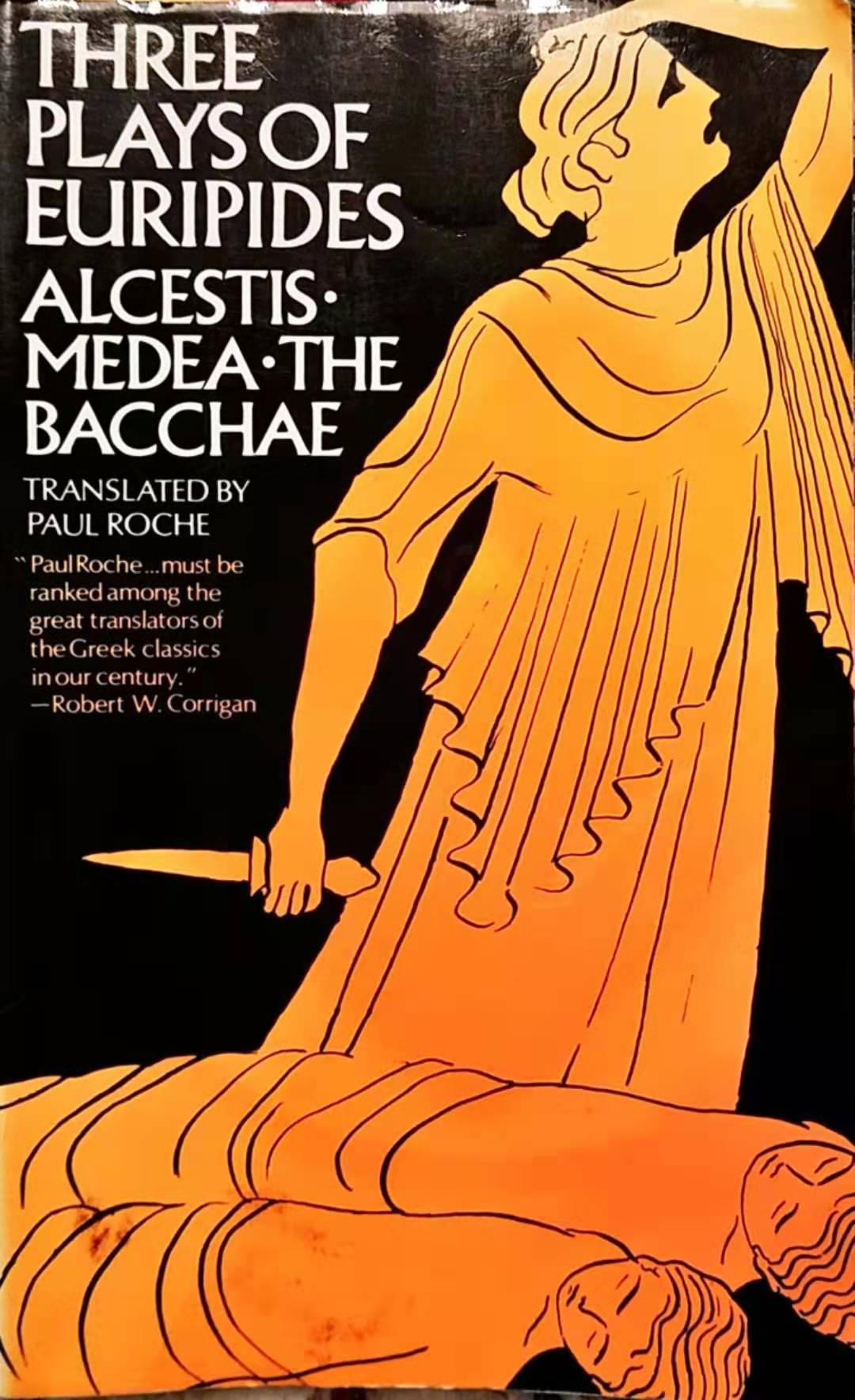
Although I’ve read and enjoyed a small handful of Greek classics (like Plato’s Crito and Apology, and Medea by Euripides), I’ve never been a fan of Greek mythology. It’s a matter of taste, I’m sure. To some readers, that admission probably pegs me as a loser who has no right to write reviews about books like this, but come on…I can’t be the only loser who finds this literary style indigestible!
I recall, in fact, reading through the first three titles in Rick Riordan’s Percy Jackson series, and the kids and I came to same conclusion: we don’t care about these mythological gods or their offspring. Why are we wasting our time on this genre, when there are literally millions of other stories out there to enjoy?
The gist of C.S. Lewis‘ novel is to retell the love story of Cupid and Psyche, yet in a way that makes a whole lot more sense to himself, since (according to the internet) “this story has haunted Lewis all his life, because he believed that some of the main characters’ actions were illogical.” It’s a fantastic project for an author as great as Lewis to undertake, of course. The premise is sound, and I’m sure that legitimate literary critics out there appreciate his efforts. Still, this is a book that ultimately only appeals to that crowd, the literary critics who do this sort of reading for a living, not to popular readers like us.
I’ve shared my views on “classics” in the past, that many such titles exist only for the prestige they offer the ones who suffered through them to the bitter end. I’d argue that the majority of readers claiming to love this book were happier to say they had read it than they were to read it—and that half of those skimmed their way through it!
Certainly mythology like what’s presented in this book is teachable. I assume that Lewis incorporated a heavy dose of Christian allegory throughout Orual’s ordeal (as he did throughout The Chronicles of Narnia), perhaps pointing to theological issues like substitutionary atonement, justification, and redemption. In fact, the section where I gave up was describing Istra’s marriage to a man she couldn’t see, and Orual simply couldn’t stand listening to her about it—and I took this to be a message about how otherworldly and nonsensical Christianity must seem to an unbeliever, until it doesn’t. There are likely plenty of other metaphors to pick apart throughout the text, but I obviously don’t have the patience to wade through it all.
I’ll not be returning to this story to pick up where I left off, because my only reason would be to say I’ve read it. I don’t need the prestige. I read almost half of it, and that was enough for me. The only Cupid and Psyche I need are the butterflies I find in Asia, thank you very much, so I’ll close on a happy note: with some pictures of such butterflies I’ve shot in the past!


©2024 E.T.
See More by C.S. Lewis:
- Nonfiction:
The Screwtape Letters (1942)
Reflections on the Psalms (1958) - Space Trilogy:
Out of the Silent Planet (1938)
Perelandra (1943)
That Hideous Strength (1945) - The Chronicles of Narnia:
The Lion, the Witch, and the Wardrobe (1950)
Prince Caspian (1951)
The Voyage of the Dawn Treader (1952)
The Silver Chair (1953)
The Horse and His Boy (1954)
The Magician’s Nephew (1955)
The Last Battle (1956) - Other:
Till We Have Faces (1956)